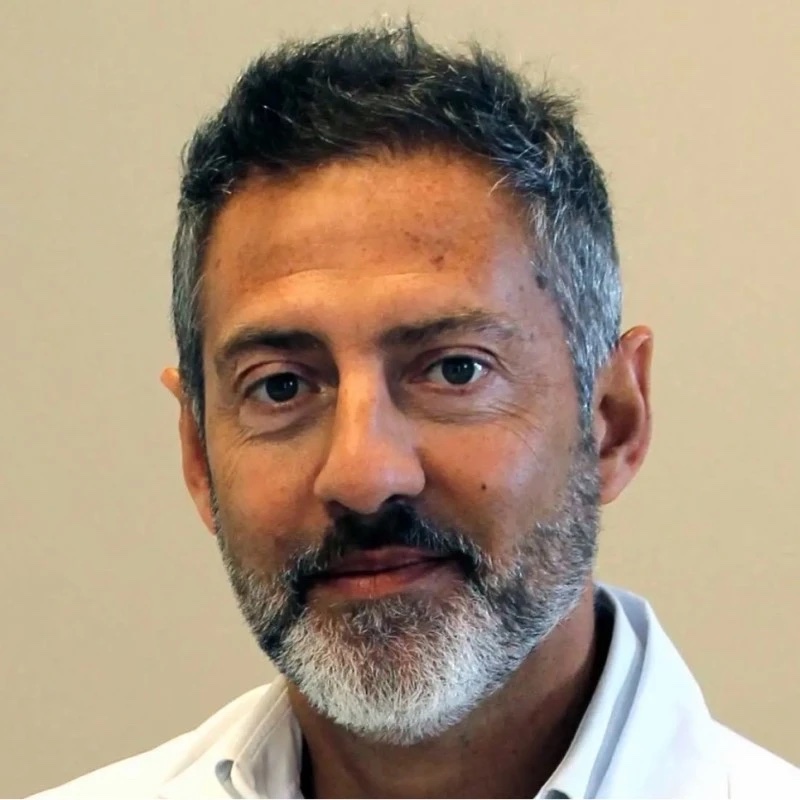
PD Dr. med.
Andrea Cardia
Brain & Spine Surgery
Neurosurgery · Research · Innovation
Advanced neurosurgery integrating microsurgery, technology, preservation of neurological function and clinical research.
Head of Neurosurgery, Neurocentro della Svizzera Italiana (EOC), Lugano

Areas of Interest
The goal of modern neurosurgery is not simply to remove a lesion, but to achieve the therapeutic objective while preserving neurological function and quality of life.
Neuro-Oncology
Gliomas, glioblastoma, metastases and tumours in eloquent areas: maximum safe resection with awake surgery and brain mapping.
Skull Base
Skull base meningiomas, petroclival lesions, cavernous sinus and clivus lesions with personalised microsurgical approaches.
Vascular Neurosurgery
Complex aneurysms, cerebral bypass, arteriovenous malformations and cranial and spinal dural fistulas.
Microvascular Decompression
Trigeminal neuralgia due to neurovascular conflict: indications and microvascular decompression technique.
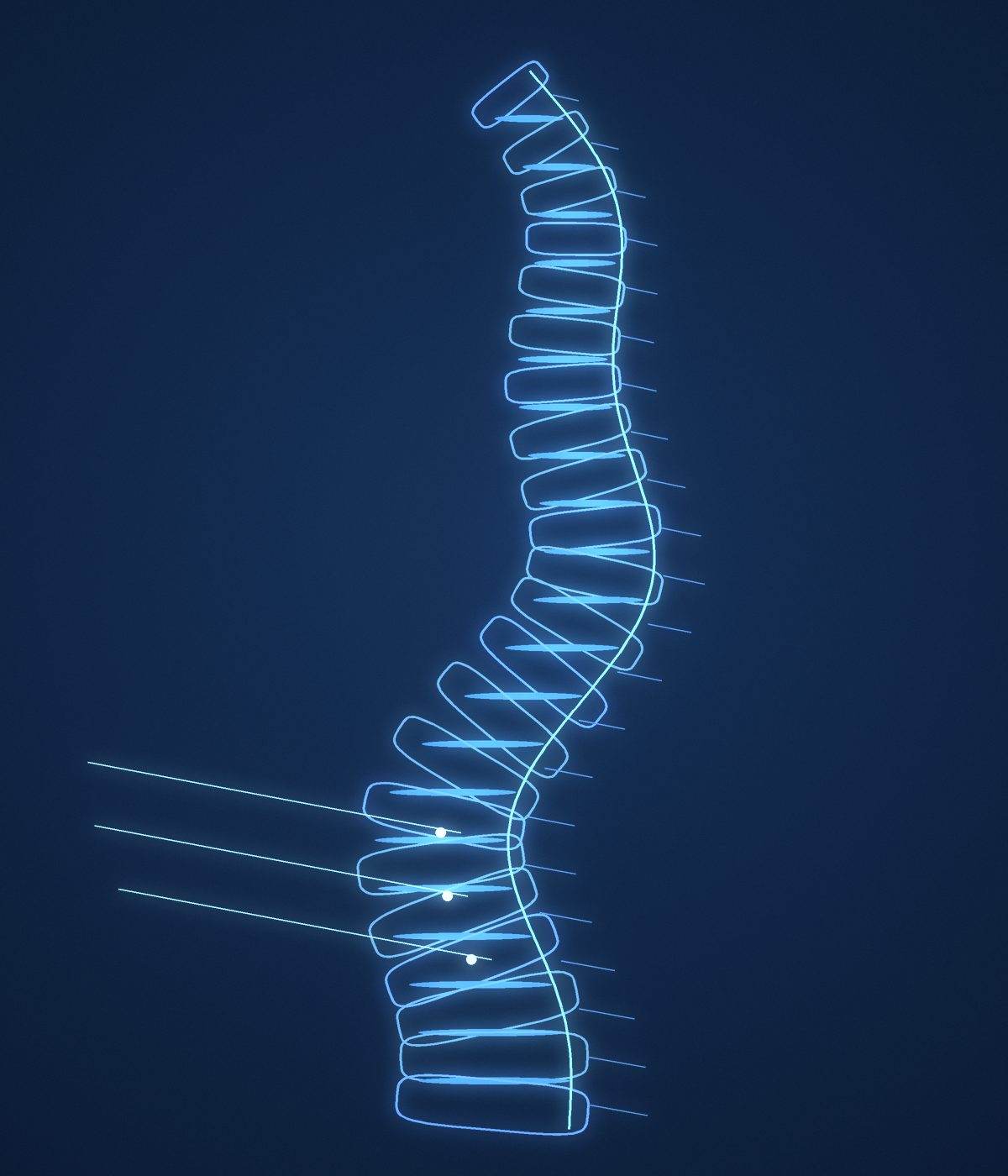
Robotic Spine Surgery
Planning, navigation and guided instrumentation for precise and reproducible stabilisation procedures.
Minimally invasive spine surgery
Muscle- and tissue-sparing approaches for decompression and stabilisation, with faster recovery.
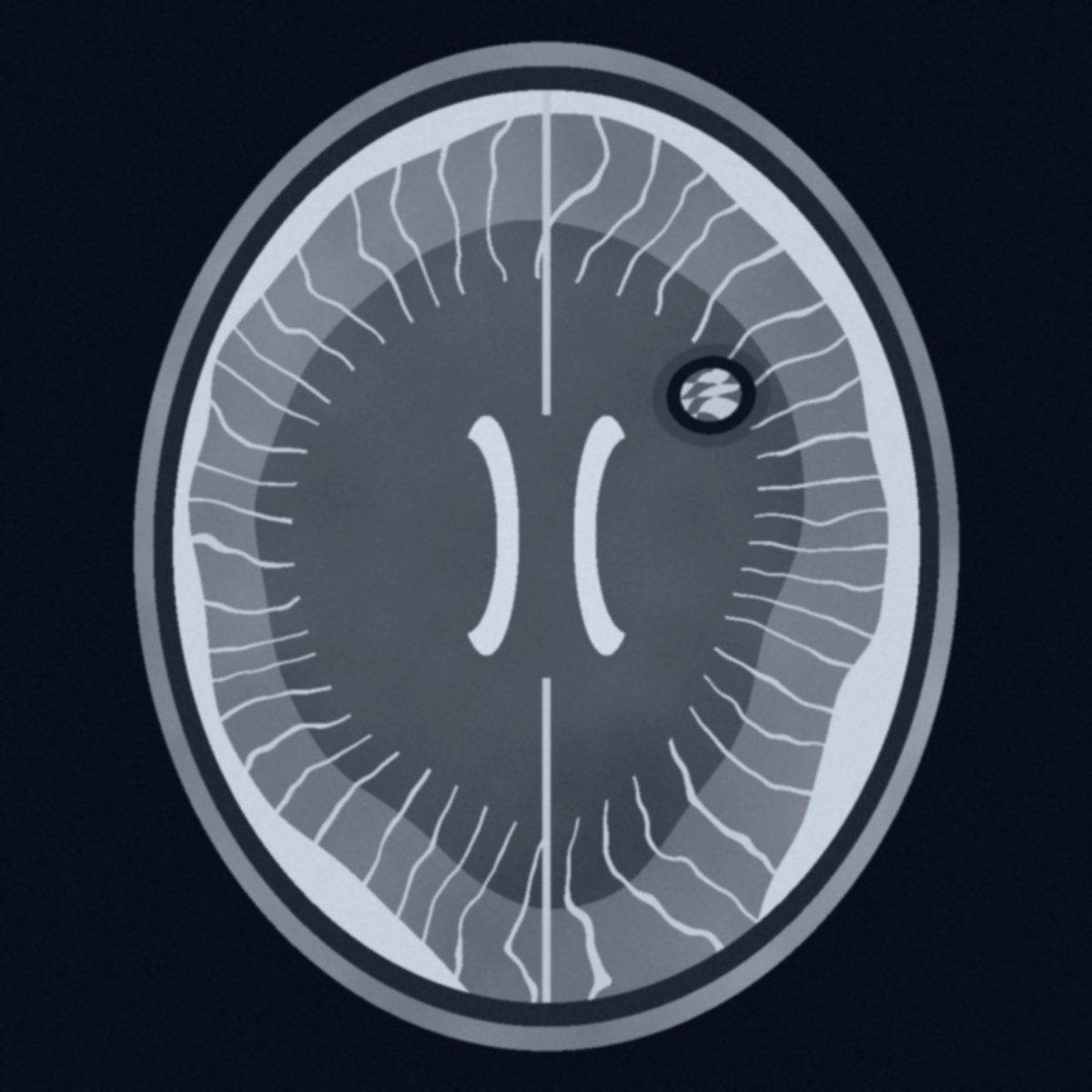
Cavernous angiomas
Every cavernoma is different.
Location, size, symptoms, previous haemorrhages and family history alter the meaning of the diagnosis and the choice between observation and surgery. A dedicated section guides patients from magnetic resonance imaging (MRI) to understanding treatment options.
Technologies
Microsurgery
The operating microscope and microsurgical technique are the foundation of every brain and spine procedure.
Awake Surgery
Awake surgery to monitor language and movement during resection of lesions in eloquent areas.
Brain Mapping
Cortical and subcortical mapping to identify structures to preserve in real time.
Tubular Resection
Approaches through tubular retractors to reach deep lesions while minimising trauma to healthy tissue.
Neuromonitoring
Intraoperative neurophysiological monitoring of motor, sensory pathways and cranial nerves.
Spinal Robotics
3D planning, navigation and robotic guidance for accurate placement of vertebral implants.
Research
Research arises from the questions that emerge at the patient’s bedside and in the operating theatre: how to predict the risk of a cavernoma, how to extend the resection of a glioma while preserving function, how to make spine surgery safer.
- Cavernomas Biomarkers, inflammation, miRNA, microbiota and genetics.
- Neuro-Oncology Glioblastoma, resection techniques and translational research.
- Spine Surgery Robotics accuracy, outcomes and new fixation techniques.
- Publications Selection by topic and links to scientific profiles.
Foundations
Clinical practice remains central. Two foundations extend its mission: ASINO towards the training of young neurosurgeons, MNF towards research and innovation.

Training
ASINO Foundation
Fellowship, practical training and international collaborations for young neurosurgeons, with particular attention to neuro-oncology and skull base.
Official website: fondazioneasino.it

Research
Microbiome & Neuroscience Foundation (MNF)
Research on the interactions between microbiome and neurological diseases: cavernomas, biomarkers, neuro-oncology and brain health.
Official website: mnfoundation.ch