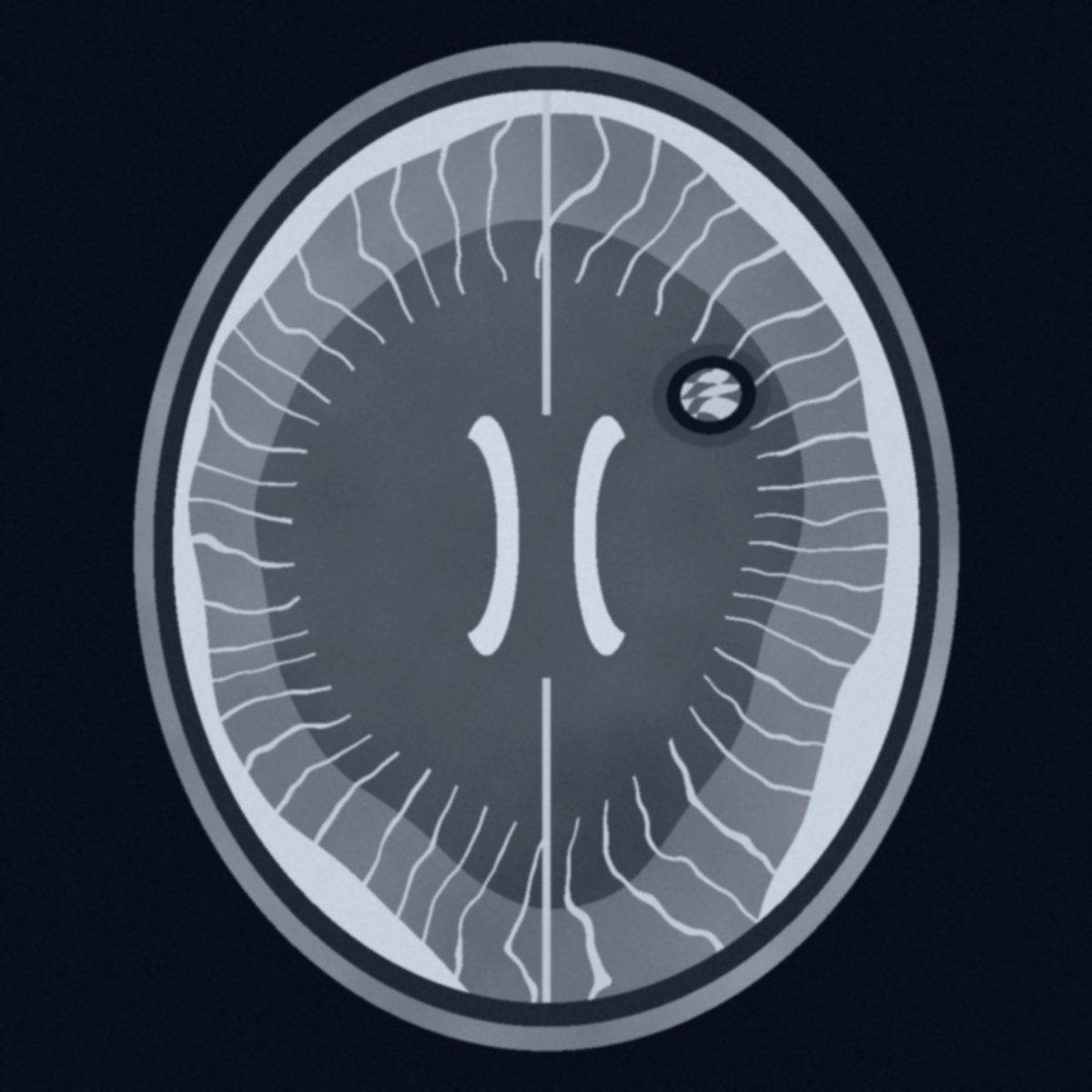
Cavernous angioma hub
Cavernous angiomas
Every cavernoma is different.
A guide to help you navigate after diagnosis: understand the disease, know your options, and know when to seek specialist advice.
In brief
What to know after diagnosis
A cavernous angioma, or cavernoma, is a small malformation of capillary vessels, resembling a blackberry, which can be found in the brain, brainstem or spinal cord. Many cavernomas never cause symptoms and are discovered incidentally.
The decision between observation and surgery depends on location, symptoms, previous haemorrhages and surgical accessibility. There is no one-size-fits-all answer: every cavernoma is different, and the choice must be tailored to the individual patient.
1
Understand the disease
- What is a cavernoma?
- Symptoms
- Diagnosis with magnetic resonance imaging
- Familial cavernomas
- Why a cavernoma may bleed?
2
Therapeutic decision
- Observation or surgery?
- Previous haemorrhage
- Symptoms and epilepsy
- Risk assessment
- When to seek a second opinion
3
Complex cavernomas
- Brainstem
- Thalamus and basal ganglia
- Motor area and language areas
- Deep lesions
4
Advanced surgery
- Microsurgery
- Awake surgery and brain mapping
- Tubular resection
- Neuromonitoring
- Minimally invasive approaches
6
Second opinion
A specialist assessment of the diagnosis and options, with a secure pathway for documentation and imaging.
In-depth analysis
Brainstem cavernoma
Brainstem cavernomas are among the most delicate lesions in neurosurgery. The decision to operate, the timing of the intervention and the surgical approach require highly specialised assessment.
Frequently asked questions about cavernomas
Is a cavernoma a tumour?
No. It is a benign vascular malformation, not a tumour and it does not metastasise. However, it can grow slowly or bleed, which is why it needs to be assessed and, when indicated, monitored over time.
Do I need to avoid sport or other activities?
In most cases, no specific restrictions are necessary. Recommendations depend on the individual situation and should be discussed with the specialist, as well as the use of anticoagulant or antiplatelet medications.
Can a cavernoma disappear?
Generally no. It can remain stable for many years, enlarge following small bleeds, or, rarely, shrink. This is why follow-up with magnetic resonance imaging (MRI) is scheduled on a case-by-case basis.
Do my children need to undergo tests?
If there are multiple cavernomas or other family members with the same diagnosis, it may be a familial form. In this case, genetic counselling is useful, which guides any necessary testing in family members.