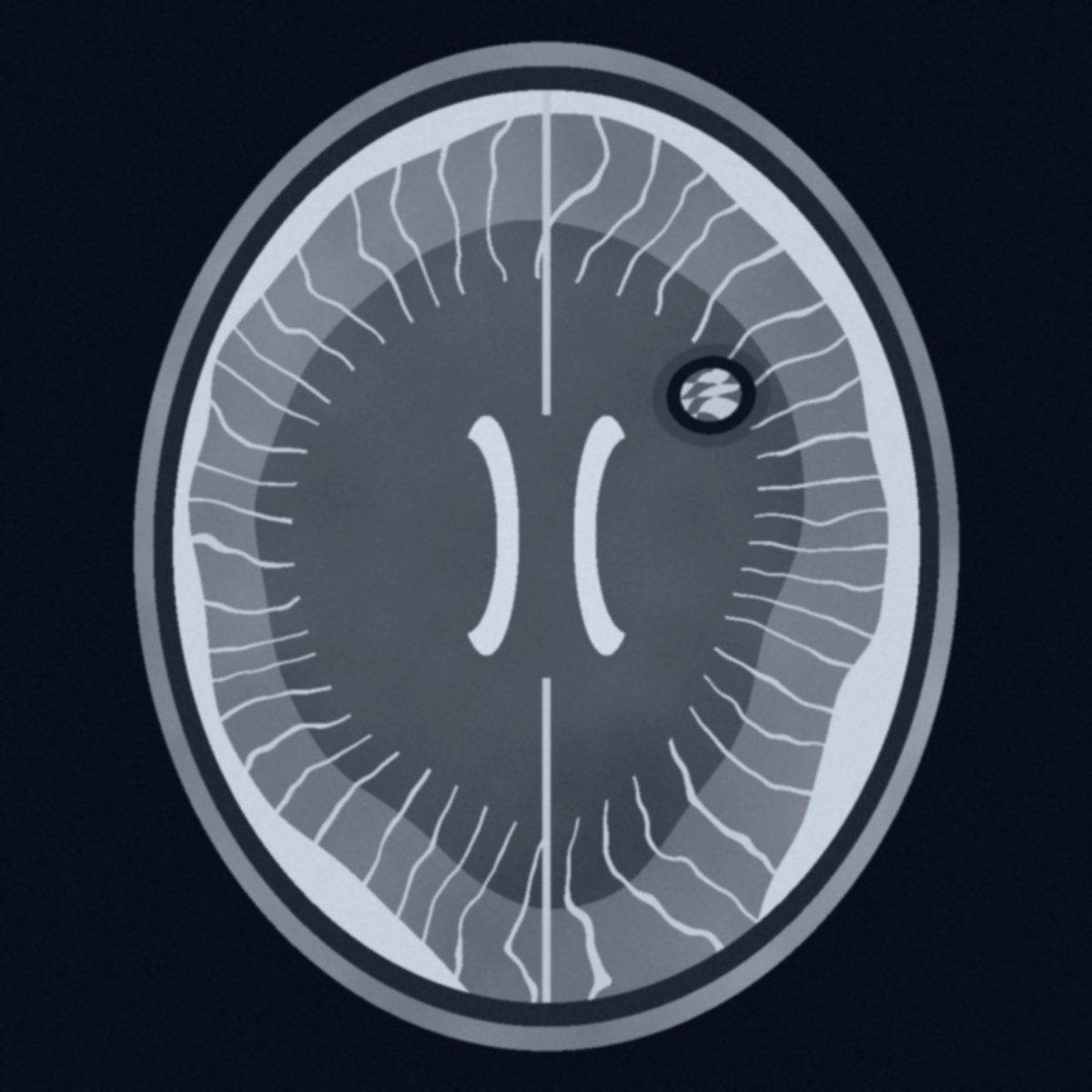
Cavernous angiomas are increasingly discovered incidentally during magnetic resonance imaging performed for headaches, trauma, or other reasons. The word “angioma” can be alarming, but in most cases, an asymptomatic cavernoma has a benign course.
Questions to ask
- Has the cavernoma bled in the past?
- Where is it located: superficial or deep, in the brainstem?
- Is it solitary or are there others? Are there family members with the same diagnosis?
- Does it cause symptoms, such as epileptic seizures?
What usually happens
For an asymptomatic cavernoma that has never bled and is not located in the brainstem, the risk of haemorrhage is low, and observation with periodic monitoring is typically chosen. When symptoms are present, a previous bleed, or a specific location, the assessment becomes more complex.
Advice
Have the images assessed by a specialist experienced in this condition, ideally with an MRI including blood product-sensitive sequences (SWI). For further information: the cavernous angiomas hub.